

Navigating The After-Hours Gap In Marion County

The space between a Friday evening injury and a Monday morning opening represents a dangerous lapse in clinical oversight for many patients. Indiana Emergency Dental operates within this After-Hours Gap to ensure that sudden trauma does not evolve into a systemic health crisis. Our team provides immediate diagnostic clarity and stabilization for the Indianapolis workforce and their families.

Waiting for a traditional office to open often forces patients to manage unbearable pain with ineffective over-the-counter methods. Dr. J.C. Rice utilizes the On-Call Clinical Standard to provide a sophisticated alternative to the local emergency room. We employ Diagnostic Digital Radiography to assess the integrity of the alveolar bone and the health of the surrounding gingival tissue. This immediate access to data allows our clinicians to make decisions regarding the necessity of extractions or sedative fillings. We treat the biological reality of your pain with the technical rigor it deserves.

An Indianapolis educator recently arrived after a late-night household accident caused a significant molar fracture. By addressing the exposed nerve immediately, our team prevented the infection from escalating and allowed the teacher to return to the classroom by Monday.

Biological Reality and Systematic Stabilization

When the protective enamel of a tooth is breached, the internal pulp becomes vulnerable to rapid bacterial colonization. This process creates an inflammatory response that can quickly spread to the jaw and neck if left unmanaged. We focus on halting this progression through antimicrobial irrigation and high-precision restorative barriers. Our facility is equipped to handle complex cases that require more than just a temporary bandage. By choosing a specialized stabilization center, you ensure that the foundation of your oral health remains intact for future permanent work. We bridge the gap between symptom onset and long-term recovery.

Common Questions About The After-Hours Gap

What happens if I wait until Monday to treat a toothache? Delaying treatment for an active infection can lead to severe swelling, abscess formation, and the potential loss of the tooth. We know it’s tempting to wait, but dental issues usually become much more painful and expensive the longer they’re ignored. Our neighborly team is here to help you stop the damage before it gets any worse.

Is it better to go to the ER or an emergency dentist? Most hospital emergency rooms are not equipped with dental chairs or specialized tools, meaning they can only offer pain meds and tell you to see a dentist later. We provide the actual clinical repair you need to solve the problem right then and there. Coming to us saves you a second trip and gets you direct access to an expert like Dr. Rice.

How do I manage pain while driving to your clinic? You can apply a cold compress to the outside of your cheek to help with swelling, but avoid placing aspirin directly on the gums as it can cause a chemical burn. Just focus on getting here safely, and we will handle the heavy lifting to make you comfortable. We’ll have you feeling better and back on your way home as soon as possible.

Schedule Your After-Hours Stabilization Consultation

Do not let the clock determine your comfort level. Contact Indiana Emergency Dental for professional, high-precision intervention today.

The Reality of Sudden Dental Inflammation in Indianapolis

When a Saturday morning fracture threatens your weekend, the waiting room shouldn’t be your second crisis. Indiana Emergency Dental serves as a critical community hub, bridging the gap between sudden oral trauma and permanent clinical stabilization. Our team prioritizes immediate pain suppression through Same-Day Palliative Triage for patients facing acute discomfort.

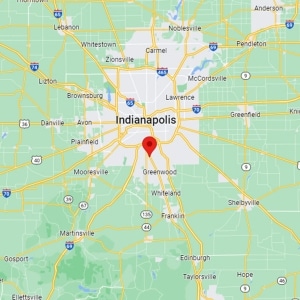
The Meridian Street Corridor serves as our geographic anchor for residents in need of rapid intervention. Dr. J.C. Rice leads a clinical team dedicated to the “On-Call” Clinical Standard. We utilize Diagnostic Digital Radiography to identify the precise source of infection or structural failure. This technology allows our providers to visualize internal damage without the delays found in traditional 9-to-5 offices. Every patient receives a customized stabilization plan designed to halt the progression of decay. High-precision care is our baseline for every walk-in encounter.

A local father recently arrived with a teenager who suffered a sports-related fracture. Within an hour, the clinical team transitioned the patient from acute distress to comfort using advanced palliative techniques. The family left with a clear path toward permanent restoration rather than a temporary fix.

Therapeutic Pulpotomy and Advanced Stabilization

When the dental pulp becomes compromised by trauma or deep caries, a Therapeutic Pulpotomy may be necessary to save the natural tooth structure. This procedure involves the precise removal of inflamed coronal pulp while preserving the vitality of the remaining radicular tissue. It is a sophisticated alternative to immediate extraction for many midnight sufferers. Our facility functions as an Acute Dental Intervention center, meaning we focus on long-term health, not just “quick fixes.” By addressing the biological reality of inflammation early, we prevent systemic complications. We maintain strict clinical standards to ensure your emergency care matches the quality of a primary care setting.

Common Questions About Emergency Triage

What is the goal of palliative triage? The primary objective is the immediate clinical suppression of pain and the stabilization of oral infection. We know how scary a sudden toothache feels when your regular dentist is closed. Our team focuses on getting you comfortable right away so you can finally get some rest.

Do I need an appointment for a dental fracture? No, our business model is built specifically for unscheduled tooth repair and acute intervention. You don’t have to worry about “fitting in” to a busy schedule. Just come through our doors, and we will make sure you are seen by a professional.

Will my emergency visit include X-rays? We use Diagnostic Digital Radiography during the triage process to ensure an accurate clinical assessment. These high-tech images help us see exactly what is happening under the surface. We explain every step of the process so you feel confident in your treatment plan.

Schedule Your Emergency Consultation

Do not let a dental crisis dictate your weekend. Contact Indiana Emergency Dental for professional stabilization and relief.


Why 24/7 Dental Access Matters in Indianapolis

24/7 dental access provides a critical alternative to the emergency room for patients experiencing acute tooth pain or oral trauma outside of traditional business hours. By offering appointments at any time, we ensure that you receive specialized clinical care from a dentist who can provide immediate treatment rather than just temporary pain management.

Avoid the Emergency Room Wait

When a dental emergency strikes at midnight, many people head to the nearest hospital. However, most ERs are not equipped with dental instruments and can only offer antibiotics or pain medication. At Indiana Emergency Dental, we bridge the gap between “office hours” and “emergency needs.” Whether it is a Saturday afternoon or a Tuesday at 3:00 AM, our team is available by appointment to handle extractions, root canals, and repairs.

Access When You Need It Most

Our clinics in Indianapolis and Fishers are designed for friction-free access. We maintain a high standard of clinical readiness at all hours to ensure that “urgent” really means immediate.

  • Broken Teeth: We can stabilize and repair fractures on the spot.
  • Severe Infections: We drain abscesses and start treatment to stop the spread of infection.
  • Trauma Care: From sports injuries to accidents, we provide the specialized care hospitals cannot.

We are always on call.  emergency dentist in Indianapolis, IN is your 24/7 partner for dental health. Save our number and call us the moment you need help.

Tips for Following Your Dentist’s At-Home Treatment Plans

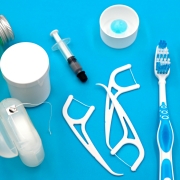
Mouthguards, mouthwash, numbing gel, floss, water flossers, hydration, brushing techniques: there are endless recommendations that a dentist can make that will help you improve your oral health. Here, we’ll look at how you can stay on top of the (sometimes relentless) day-to-day care so you can enjoy a cleaner, fresher mouth.

Identify the Why

The most common advice from a dentist in Indianapolis, IN is to brush at least twice a day and floss at least once per day. Yet even that is a task that many can’t keep up with. If you struggle, it helps to figure out what the problem is before you try to tackle it.

Instead of vague excuses, like general exhaustion, you might get a nugget of insight that you can work to change. For example, maybe you find it too hard to reach the back teeth while you floss, which may just mean that you need to relax your mouth to allow for more reach.

Plan Ahead

Despite this oft-repeated bit of advice, it’s also one of the easiest to ignore. Sometimes, it can be as simple as getting your supplies ready or writing down the steps on the mirror and checking them off every night. So, you might set out the water flosser before you brush, so you can just grab it right after you’re done. Or you might clean your mouthguard in the morning, so you don’t have to worry about it when you settle in.

At Indiana Emergency Dental, we know how busy schedules can get (it’s just one reason we offer emergency dental care in Indianapolis). But we also know that the closer you stick to your dentist’s recommendations, the less likely you are to need major dental work down the line.

The Cost of Ignoring a Dental Emergency

Often, our first instinct is to ignore the signs of a dental problem, especially when the budget is tight. Nobody wants to see an unexpected bill for dental services in Indianapolis, IN. What many don’t know is that ignoring a dental emergency will cost you more in the end. Minor dental issues can escalate quickly into expensive dental problems.

The Cost of Ignoring a Cavity

Unfortunately, minor dental problems almost always get worse, especially cavities. An opening in the tooth enamel allows bacteria to enter and do damage.

That simple filling can turn into a root canal that requires a crown or an extraction. It can also escalate into a more serious infection that extends beyond the tooth into the jawbone or bloodstream. Many of the potential complications can mean hospital stays, chronic illness, or even lead to death.

The Downside of Dental Insurance

Dental insurance tends to focus more on preventive care rather than major procedures. You may pay nothing for an emergency office visit or simple dental procedure, but foot most of the bill for complex issues like tooth extractions or dental crowns. So, even if you have dental insurance, there is a good chance that your out-of-pocket expenses will be high if you don’t get treatment at the first sign of a problem.

The Cost of Tooth Pain

It’s essential to consider the costs of ignoring tooth pain beyond your dental office in Indianapolis, IN. How does it slow you down, making you less productive at home and work? How many sick days do you take because the pain is too much, or how much do you spend trying to control it?

When you take into account the damage to your teeth and gums, the risk of chronic illness, and systemic health problems, ignoring a dental emergency doesn’t make good financial sense. Contact our office today to schedule an appointment with our dentist in Indianapolis, IN, and discover more ways to reduce your family’s dental expenses.

Woman with curly hair wearing a beige long-sleeve shirt stands against a plain background, covering her mouth with both hands and looking straight ahead.

The Risks of Ignoring a Dental Emergency

It may seem like delaying a visit to the emergency dentist in Indianapolis, IN, will save you time or money, but what will it ultimately cost you? There are serious and potentially life-threatening risks that come with ignoring a dental emergency.

Infection

At the top of the risk list is an infection that can spread quickly to other parts of the body. Dental infections can start small and will not simply go away on their own. More than likely, they will spread.

In some cases, an infected tooth or gum can introduce bacteria into the bloodstream, leading to a systemic infection, such as sepsis. The inflammatory response that occurs when someone has a body-wide infection can lead to death.

Infections from a damaged tooth can also spread to critical organs. For example, the disease can spread into the brain, causing an abscess to form. A brain abscess requires immediate surgery to prevent death. Dental infections can also travel to the heart and lungs.

Tissue Damage

It takes just one ignored dental emergency to cause irreversible damage to teeth and bone.

An ignored infection or loss of a tooth can also lead to severe damage to the jawbone. Loss of bone tissue can change the architecture of your teeth and face. It can also lead to problems down the road, such as jaw pain or teeth shifting.

Lost Opportunities

Waiting may mean the permanent loss of your natural tooth. Time is critical if you have a tooth knocked out. You have a short window of about 60 minutes for the emergency dentist to reseat the tooth and save it.

Higher Costs

Avoiding treatment for a dental emergency right away can cost you more in the long run, as even minor issues like a cracked tooth can worsen. That can mean expensive medical and dental bills.

Don’t wait. Contact our office today to receive fast dental care from our emergency dentist in Indianapolis, IN. We are available 24/7.


A young woman with straight blonde hair in a grey shirt looks to the side with a thoughtful expression, resting her chin on her hand against a plain white background.

Emergency Room or Emergency Dentist: Making the Right Choice

When a dental emergency strikes, the first instinct may be to visit the emergency room at a hospital. In some cases, that is the right choice. More often than not, though, you will end up seeing your emergency dentist in Indianapolis, IN, anyway, but incur the additional expense of ER treatment. Making the right choice will save you time and money.

Is It Life-Threatening?

When deciding between an ER and an emergency dentist, ask yourself if the problem is life-threatening. If there is any question, then the answer is to go to the hospital. Any time you are experiencing severe bleeding, problems breathing, or have a high fever, your life could be at risk.

Specific Injuries That Require ER Care

The type of injury also factors into your choice. You should always go to the ER for:

  • A facial fracture
  • Facial or jaw trauma
  • Extensive bleeding
  • Signs of a severe infection that has spread to other areas of the body
  • Changes in vision
  • Confusion
  • Dizziness or loss of consciousness

These are all medical emergencies that may require more extensive treatment than an emergency dentist can provide.

When to Call the Emergency Dentist in Indianapolis, IN

Emergency dentists are the right choice for problems that don’t put your life or well-being at risk, but are a dental emergency. For instance:

  • A bad toothache
  • A chipped or broken tooth
  • Knocked out tooth
  • A lost crown
  • Swelling in the face related to a dental infection or abscess
  • Bleeding from the gums only, which will not stop

If you are in doubt, call Indiana Emergency Dental and we can guide you in your choice. In some cases, we may determine that your dental problem is something that the dentist can address during a regular appointment. But if it is an emergency, we are available 24 hours a day, seven days a week.

If you require emergency dental care, please call our office today to speak with our emergency dentist in Indianapolis, IN. We are here to help.

Person with short brown hair in a white t-shirt looking concerned or anxious, holding their hands up near their face against a plain white background.

When Is a Loose Tooth Cause for Concern?

A loose tooth can be alarming — especially for adults. While it’s normal for children to lose their set of baby teeth, in adults, a loose tooth usually means something is wrong and may need urgent care. Knowing when a loose tooth in Indianapolis or Bloomington, IN, is a cause for concern (and when to call us at Indiana Emergency Dental) can help you take the right steps to protect your smile.

When Is a Loose Tooth a Dental Emergency?

Adult teeth should be stable. If one is loose, it could mean there is a serious problem that needs to be addressed, such as gum disease or tooth decay. Seek emergency dental care if you notice:

  • Your tooth wiggling after an injury or accident
  • Pain, swelling, or bleeding around the tooth
  • Signs of infection, such as running a fever or noticing pus or a pimple-like pustule on the gumline
  • You have trouble chewing because the tooth is moving

In these cases, getting treatment early may be able to help you prevent and avoid tooth loss.

Common Reasons for a Loose Tooth

A loose tooth in adults can result from:

  • Gum disease
  • Trauma
  • Grinding the teeth
  • Infection

The sooner you see your dental provider and they identify the reason for movement, the more likely it is that the tooth can be saved.

While waiting for your appointment, avoid intentionally moving the tooth, and eat soft foods to reduce the likelihood of wiggling it more.

Get Help for a Loose Tooth in Indianapolis or Bloomington, IN

If you notice a loose tooth and aren’t sure if it’s serious, call Indiana Emergency Dental at 1-463-276-0541. Our team is here to help you with fast, supportive care. We offer same-day appointments and emergency support.

A dentist wearing gloves and a mask consults with a woman who is holding her cheek, possibly indicating dental pain, in a dental office.

When Pain is Enough for Emergency Care?

Dental pain in Bloomington or Indianapolis is never something to ignore. While minor discomfort can usually wait until you can get in for a regular appointment, certain kinds of pain mean you need emergency dental care right away. Knowing the difference can help you protect your oral health, avoid more serious problems, and give our team at Indiana Emergency Dental the ability to treat you when you need us most.

When Is Pain a Sign That You Need Emergency Care?

Pain that is severe, constant, or getting worse is a clear sign you should call our office for help.

Symptoms that point to an emergency include:

  • Swelling in your face or jaw
  • Pain when biting or chewing
  • Fever, which may come along with tooth pain or pain in the jaw
  • Bleeding that will not stop
  • A tooth that is cracked or knocked out

If you have any of these symptoms, contact us immediately to speak with one of our helpful staff members. You could have a serious problem, such as an infection or abscess, that needs attention. Visit our emergency dental care page to learn more about when emergency treatment is needed.

Get Emergency Dental Care in Bloomington or Indianapolis, IN

Dental pain is a sign that something is wrong, whether it’s a cavity or an infection. You may have severe pain, as well, which can make it hard to work and enjoy your life.

Waiting too long can make the problem worse and lead to more complicated treatments. At Indiana Emergency Dental, we offer same-day emergency dental appointments so you can get help fast. Call us today at 1-463-276-0541 to speak with a helpful team member and get the relief you need.

A young woman in a blue and white sweater looks anxious, biting her nails and holding her arm, standing against a plain light background.

When Is a Cavity an Emergency?

Most cavities are not a reason to rush to an emergency appointment, but they can become emergencies in some cases. Cavities form when bacteria wear away your tooth enamel. In the early stages, you may not feel anything, but as they deepen, they can cause serious problems.

A cavity is an emergency if you have severe pain. Call Indiana Emergency Dental in Indianapolis or Bloomington right away if you cannot chew without discomfort, if you have a severe headache, or if you see swelling in your face or jaw. These are all signs that you need urgent care.

Why You Shouldn’t Wait for Care

Waiting too long to treat a minor cavity can result in the cavity spreading and getting worse over time.

These symptoms may mean the cavity has reached the inner layers of your tooth or that an infection is starting:

  • Swelling of the gums or face
  • Severe pain causing a headache with or without dizziness
  • An inability to bite down
  • Obvious bleeding or pus around the tooth

Please keep in mind that infections can spread quickly, and they can become dangerous in some instances. You may need more than a simple filling if you’re feeling this kind of pain or seeing swelling, so please contact our office as soon as possible.

Get Help for Cavities in Indianapolis or Bloomington, IN

If you’re struggling with pain or trouble eating, know that you have options available to you. At [Practice_Name], we know how serious a cavity can become, and we understand that pain and trouble eating can mean an infection is present. We want to help you get back to feeling like yourself again. Call us now to make an emergency appointment at 1-463-276-0541.