
Horizontal Impactions – Recognizing Signs and Symptoms

If you are suffering from pain in the back of your mouth or noticing swelling near your jaw, you might be dealing with a horizontal impaction of your wisdom teeth. While it can be serious, this problem is common. It’s something we treat regularly at Indiana Emergency Dental in Indianapolis, IN.

Here’s more about what you should know.

What Are Horizontal Impactions?

Horizontal impactions occur when a tooth, typically a wisdom tooth, is unable to erupt from the gums. It grows sideways instead of up and out, leading to a collision (impact) with other teeth. A horizontal impaction can cause significant pain and swelling, and it can lead to damage to your surrounding teeth.

What Are the Common Signs of Impacted Teeth?

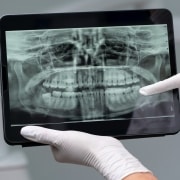
Impacted teeth are typically easy to recognize on X-rays, but there are symptoms you may experience as well. Some could include:

  • Pain or tenderness in the gums or jaw
  • Swelling around the jaw or face
  • Headaches or earaches
  • Bad breath or a bad taste in your mouth
  • Difficulty opening your mouth

Over time, these symptoms may worsen, so it’s important not to ignore them.

What Should You Do If You Have an Impacted Tooth?

If you do end up having an impacted tooth and not another dental problem, then we’ll recommend the best treatment option at that time. Usually, surgical extractions are used to correct impacted wisdom teeth.

Contact Indiana Emergency Dental for Help With a Horizontal Impaction in Indianapolis, IN

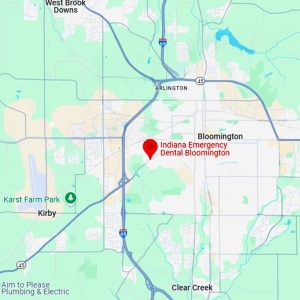
At Indiana Emergency Dental, we want to ensure you are comfortable at all times. If you’re in pain or worried about an impacted tooth, we can help. Call us today at 1-463-276-0541 to schedule an appointment for horizontal impaction in Indianapolis or Bloomington, IN.

 Sedation Dentistry for Dental Anxiety

For those who have dental anxiety, the idea of going to the dentist can feel overwhelming. Feeling anxious about dental visits is not unusual, though, and there are ways our team at Indiana Emergency Dental can help. We offer sedation dentistry for dental anxiety in Indianapolis and Bloomington, IN, allowing you to relax while your dental work is performed.

What Is Sedation Dentistry?

Sedation dentistry uses medications to soothe anxiety and make your dental experience more relaxing. Depending on how severe your anxiety is, we may use medications such as:

  • Nitrous oxide (also known as laughing gas), which is a mild sedative to calm your nerves
  • Oral sedation, which is a prescription medication you take by mouth before you come to the appointment
  • IV sedation, which is the deepest type of sedation and is normally used for long or complex procedures, like root canals, wisdom tooth removals, or others.

Am I a Candidate for Sedation?

Most people are candidates for some kind of sedation, but the exact type depends on your medical history and background. If you have anxiety or have had a negative dental experience in the past, sedation dentistry could be a good choice for you. Those with strong gag reflexes or who need multiple procedures may also benefit from sedation.

We Can Help You With Dental Anxiety — Call Us Today

We understand that the fear of dental procedures can be overwhelming and make it difficult to attend your appointments. Our team at Indiana Emergency Dental wants you to feel calm and comfortable throughout your procedure. If you’ve been putting off dental care because of your fear, call us today at 1-463-276-0541 to schedule a consultation for sedation dentistry in Indianapolis or Bloomington, IN.

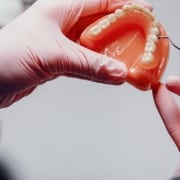
Gloved hands hold a dental model while using a metal tool to examine or adjust the artificial teeth.

Adjusting to Same-Day Dentures – 3 Tips for Success

Same-day dentures can feel foreign in your mouth, but a few tips for success in the first few days can help. Denture placement immediately after extractions will not mean you immediately feel comfortable, even though we do all we can to ensure a proper fit. Here are a few things you can do in the days following your appointment for same-day dentures in Bloomington to get adjusted to the change as quickly as possible.

1. Keep the New Dentures Installed

While it can be tempting to remove your dentures because they feel awkward in your mouth, practice leaving them in place for as long as you can. With time and wear, the brain begins to recognize that the dentures are part of your mouth. Therefore, you will gradually focus on how they feel less and less with extended wear.

2. Practice Eating Easy-to-Chew Foods

When you feel comfortable doing so, go ahead and try chewing some soft foods. Soft-boiled veggies, pasta, or something that can be cut into small pieces and mashed easily are good for first tries. Using your dentures as you would your normal teeth will quicken the process of feeling like they are part of your mouth.

3. Manage Discomfort as Directed

Patients often feel the need to remove dentures due to discomfort post-extractions or because of general gum soreness. However, be sure to follow the dentist’s guidance and use over-the-counter pain relievers as needed to mitigate discomfort. Some soreness is normal in the first few days as the gums adjust or healing occurs, but it is best to manage the pain with accessible remedies rather than remove the dentures if at all possible.

Ensure Success with Your Same-Day Dentures in Bloomington

Generally, it can take a few weeks to get accustomed to new dentures, but the best outcome starts with the right dentist in Bloomington, IN. If you are looking to get dentures in one day, reach out to us at Indiana Emergency Dental to make an appointment.


Side-by-side comparison of a person smiling, showing yellowish teeth on the left and noticeably whiter teeth on the right.

 Beyond the Basics: Understanding Different Types of Teeth Whitening Treatments

Getting that bright smile you’ve always dreamed of is easier than ever today, thanks to the variety of treatment options available. Powerful teeth whitening in Indianapolis, IN, Indiana Emergency Dental office offers the best whitening for most people’s teeth. What is the difference between that and the DIY products you can get at the store?

At-Home Whitening Products

There are a couple of approaches to teeth whitening at home. First, there are oral hygiene products, such as toothpastes and mouthwashes. These products can contain mild bleaching agents and abrasives that clean stains off teeth. They can add brightness to your daily cleaning, but they won’t work long term.

The other over-the-counter approach is teeth whitening trays. These trays contain whitening strips, gels, or more potent pastes. They come in much lower concentrations than your dentist in Indianapolis, IN, uses, which means the effect won’t be dramatic or long-lasting.

In-Office Teeth Whitening

An in-office professional teeth whitening uses more potent bleaching agents for a natural and effective outcome. In addition, our dentists will create a tailored whitening plan for your teeth, so you get the results you want from it without disappointments or surprises.

The dentists at Indiana Emergency Dental also use state-of-the-art light technology to ensure consistent results. The process starts with the application of the bleaching agent, typically a hydrogen peroxide gel.

Next, we use light to activate the gel. Activation takes 15 to 30 minutes. Once complete, we will check the results. If necessary, we can apply the gel several times to get the shade of white you want. Too bright, and your mouth will appear to glow. If it’s too light, the effect isn’t noticeable. The dentist will work with you to find the perfect shade.

Once you have professional teeth whitening from our dentist in Indianapolis, IN, you can use home treatments for maintenance if necessary. Make an appointment today to find out more about in-office teeth whitening.

A dentist wearing a mask, gloves, and protective glasses holds dental tools, viewed from the patients perspective.

Dry Socket vs. Normal Healing After Tooth Extraction

A dry socket is a potential complication after tooth extraction. While some discomfort is normal, a dry socket is different. Our Indiana Emergency Dental dentist, who manages tooth extractions in Indianapolis, IN, will explain the difference and help you know when a dry socket might be a problem.

What Is a Dry Socket?

When the dentist extracts a tooth, your body begins healing by forming a blood clot over the extraction site. This helps to protect the structures in that socket, such as bone and nerves.

If you have a dry socket, it means that a blood clot never formed or fell off before its time. The lack of a blood clot exposes the bone and nerves, leading to severe throbbing and pain. You might feel this in your jaw or ear, which can last many days.

Other signs of dry socket include:

You might even be able to see the empty socket. It’s essential to understand that blood clot formation is what stimulates healing. Eventually, the body replaces that clot with new tissue to seal off the socket.

Normal Healing vs Dry Socket

How can you tell the difference? Here are some telltale signs of each:

  • Blood clot—There won’t be one with a dry socket. You should see one with normal healing.
  • Pain level—Some pain is normal, but it should subside over time. With a dry socket, the pain continues and is severe. It will also be throbbing.
  • Taste—You might taste blood during normal healing, but it shouldn’t be unpleasant or have a foul odor.

If you have severe pain or pain that doesn’t go away after a few days, bad-smelling breath, or a clearly empty socket, contact your tooth extraction dentist in Indianapolis, IN, to get treatment for dry socket.

Close-up of a person’s mouth open during a dental exam, with dentist tools and a gloved hand visible.

3 Factors That Affect the Longevity of Dental Crowns

Are you considering same-day crowns in Indianapolis, IN? Without question, crowns are one of the fastest ways to correct cosmetic issues with your smile, and same-day crowns simplify the process. While popular among dentists and patients alike, crowns do not usually last a lifetime. Most will have a life span of about 10 to 15 years, depending on several factors. Take a look at three factors that can affect the longevity of your dental crowns.

Crown Materials

The single most important factor for how long dental crowns will last is what type of materials the crown is made of:

  • Porcelain/Ceramic: Lasts 5 to 10 years
  • Porcelain-Fused-to-Metal (PFM): Lasts 10 to 15 years
  • All-Metal (Gold/Alloy): Lasts 15+ years
  • Zirconia: Lasts 10 to 15 years

Usual Diet and Chewing Habits

Even your usual diet and chewing habits can influence the longevity of your dental crowns. For example, if you eat a lot of hard, crunchy foods, crown wear or breakage can be more likely. By contrast, an individual who tends to eat softer foods, avoids hard candy, and chews in a uniform way will most likely see less wear.

Hygiene Habits

While crowns may not be natural teeth, your oral hygiene habits are still extremely important. Poor oral hygiene like skipping flossing, not cleaning your mouth, and not getting routine cleanings at the dentist can mean faster crown failure. Remember, crown stability relies on the health of the underlying natural tooth material and gum tissue in your mouth.

Discuss Dental Crowns with Indiana Emergency Dental

If you are looking for information about same-day crowns, the best source of advice is a dentist in Indianapolis, IN. Indiana Emergency Dental is here to help you make the best decisions about your smile. Reach out to schedule an appointment.

Woman sitting in a dental chair, smiling with a dental bib on, while a 24/7 Emergency Dentist in Indianapolis & Bloomington wearing blue gloves holds dental instruments near her mouth.

Life with a Dental Bridge: Tips for Eating, Cleaning, and Long-Term Care

A dental bridge offers a natural-looking way to replace a missing tooth. If you’re new to life with a dental bridge, you may wonder how to best care for it. It’s an investment in your health, so maintaining it is critical. If something happens to your bridge, you may need emergency dental care in Indianapolis, IN.

What You Can Eat

The first consideration is diet. You can eat most of the same foods you’ve been enjoying for most of your life. You should avoid extra sticky foods like taffy, though. Also, hard, crunchy foods like nuts can cause damage to the bridge.

The best approach for eating with a dental bridge is to take small bites at a time. Cut the meat into small pieces to reduce the risk of damage and make it easier to chew. Also, take your time and chew the food thoroughly.

Opt for food that is not too hot or too cold. If you do eat something like ice cream, eat it slowly. This will allow you to minimize potential discomfort. Over time, your mouth will adjust to the dental bridge, and you can worry less about sensitivity.

Keeping It Clean

You’ll want to give your dental bridge the same care you give to all your teeth in your mouth. Brush at least twice a day, focusing on the prosthetic tooth or teeth in the bridge, the surrounding natural teeth, and the gumline.

You’ll also want to floss at least once a day. Pay attention to the area around and under the bridge to ensure you remove all debris. Flossing with threaders or interdental brushes is often the best approach.

Use an antibacterial mouthwash to help reduce plaque buildup around the bridge. This will keep that area free from bacteria that cause plaque.

Finally, make regular appointments with your dentist in Indianapolis, IN, to ensure the bridge remains stable.

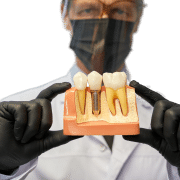
A person wearing a black mask and gloves holds a dental model showing three teeth, one with a dental implant, against a plain green background.

What Is Peri-Implantitis and How to Prevent It

Dental implants are the industry standard for tooth replacement for a reason. They have a very high success rate and are one of the best ways to restore a smile. Like any medical procedure, though, there are potential complications, such as peri-implantitis. When you get a dental implant in Indianapolis, IN, the staff will review the risk factors with you and explain how to prevent peri-implantitis.

What Is Peri-Implantitis?

Peri-implantitis is the medical term for an inflammatory response around a dental implant that causes bone loss. Inflammatory responses are how the body responds to infection or tissue damage. It is what causes wounds to heal and swelling when you sprain your ankle.

In many ways, peri-implantitis is similar to traditional gum disease, but it occurs around a dental implant instead of a natural tooth. When this inflammatory response occurs around a dental implant, it typically means that plaque is building up there. Plaque is a byproduct of bacteria, which could indicate a potential infection.

Symptoms of Peri-Implantitis

Symptoms of peri-implantitis include:

  • Gum redness and bleeding
  • Swelling around the implant
  • Gum recession
  • Pain around the implant
  • The implant falling out

You should contact your dentist in Indianapolis, IN, if you have any of these symptoms with a dental implant.

Preventing Peri-Implantitis

The staff at Indiana Emergency Dental will go over how to care for your new dental implant. The key to protecting it is good oral hygiene and regular dental check-ups. The dentist will recommend that you brush at least twice a day and floss once a day. They may also suggest using a water flosser to clean debris around the implant.

In addition, you’ll want to manage any underlying medical problems that might affect the health of the implant, such as diabetes or osteoporosis. They can impact healing.

If you have questions about dental implants, call our office today to schedule an appointment with one of our dentists in Indianapolis, IN, and learn more.

A dentist wearing glasses and a mask examines a patients mouth using dental instruments.

When Does a Toothache Mean You Need a Root Canal?

Does a persistent ache in your tooth mean you need a root canal? Pain of any kind needs attention. If it’s intense pain or comes with other symptoms such as a fever, then you should contact your emergency dentist in Indianapolis, IN. A root canal, though, is a specific procedure done for a particular reason.

What Is a Root Canal?

During a root canal, the dentist removes infected pulp from the tooth’s root. The pulp is the part of the tooth that contains the nerves and blood vessels. Once the pulp is removed, your dentist in Indianapolis, IN, will thoroughly clean the inside of the root to remove any bacteria and then seal it to prevent the infection from recurring.

Why Is a Root Canal Necessary?

The purpose of a root canal is to save the natural tooth. Without this procedure, it would be necessary to remove the tooth. By preserving the roots, the dentist can use them to secure a prosthetic tooth or crown, keeping as much of the natural tooth in place as possible.

Does a Toothache Mean You Need a Root Canal?

The most honest answer to this question is ‘maybe.’ Pain is a symptom of infection in the tooth, and the most common treatment for that is a root canal. However, other dental problems might cause pain.

For example, there might be a cavity in that tooth. A cavity is a hole in the tooth that can expose the nerves, causing pain. It’s possible that you have a chip or crack in your tooth and are not aware of it. That might also expose the nerve.

If you have a toothache, the only thing you know for sure is that you need emergency dental care in Indianapolis, IN, to find out why. Call today and make an appointment.

A dentist examines a patients mouth with dental tools while a dental assistant assists, both wearing masks and gloves in a dental clinic.

 The Silent Threat: Why a Horizontal Impaction Needs Attention

If you experience the occasional jaw pain or a constant dull ache, it is easy to dismiss it as something that will pass. However, it may be the subtle sign of a more serious but often ignored issue—horizontal impaction. Left unaddressed, this can have a significant impact on your oral health. We see a lot of horizontal impactions in Indianapolis, IN, at Indiana Emergency Dental.

What Is a Horizontal Impaction?

A horizontal impaction means the tooth sits parallel to the gumline. It may be stuck in the jawbone or sitting in its normal position in the soft tissue, just turned sideways. Technically, this can happen to any adult tooth, but it is most common in wisdom teeth, which are the last to erupt.

What Causes a Horizontal Impaction?

Many factors can contribute to horizontal tooth impaction. There may not be enough space in the mouth, causing a misalignment of the other teeth. This misalignment can push the wisdom tooth enough that it sits at an angle in the jawbone.

It may also be a genetic issue. Horizontal impactions tend to run in families. Another possibility is jaw size. A smaller jaw may not have enough space for the molars.

What Are the Symptoms of a Horizontal Impaction?

Horizontal impactions are sometimes called a silent threat because they can exist without you knowing they are there. There may be no symptoms. Still, they can cause significant problems left untreated, such as:

  • Damage to nearby teeth
  • Infection
  • Cyst formation

Regularly seeing your dentist in Indianapolis, IN, is your best hope for early intervention. The dentist will monitor the adult teeth with advanced imaging technology like 3D X-rays to ensure they grow properly, especially between the ages of 17 and 25. That is when the wisdom teeth make their appearance. Early detection of a horizontal impaction can prevent serious complications later and protect the health of all your teeth.