Two dental professionals in blue scrubs and masks perform a dental procedure on a patient lying in a dentist chair under a bright exam light.

Impacted Wisdom Tooth Extraction In Indianapolis, IN

Severe molar pain often signals a horizontally trapped tooth pressing against delicate nerve networks. Immediate surgical evaluation prevents permanent damage to mandibular tissue, halts arch-shifting, and restores overall oral comfort. Indiana Emergency Dental delivers rapid clinical relief using advanced digital diagnostics.

Are you feeling a persistent, throbbing ache near the back of your jawline? Our dedicated team at Indiana Emergency Dental provides immediate surgical intervention to protect your smile from severe structural complications. When third molars fail to emerge properly, they press against neighboring teeth, generating deep pressure and systemic discomfort. Early intervention prevents localized tissue swelling, tooth decay, and structural misalignment across the dental arch.

Resolving Impacted Third Molars: Preventing Neural Compression and Structural Alignment Shifts

Horizontal impactions present a distinct clinical challenge because the erupting tooth moves parallel to the jawbone rather than upward into normal positioning. This sideways force drives the crown directly into the roots of the second molar. Over time, continuous mechanical pressure leads to enamel resorption, structural instability, and chronic bacterial traps beneath the gum surface. Modern three-dimensional radiography allows clinicians to map the exact distance between root tips and the inferior alveolar nerve trunk. Precision imaging ensures safe bone troughing while protecting surrounding neural tissues.

Without timely care, trapped tissue pockets foster aggressive infection. Proper clinical management often requires active trismus management to address restricted jaw opening due to severe localized inflammation. Failing to remove the compromised molar can also lead to painful post-surgical conditions like alveolar osteitis, a painful disruption of the healing blood clot within the empty socket. Rapid surgical decompression mitigates these risks, stabilizing surrounding bone architecture and safeguarding adjacent dentition.

Impaction Classification and Surgical Approaches

Impaction Type Structural Pathomechanics Surgical Protocol Primary Clinical Objective
Horizontal Impaction Crown drives directly into second molar root structure Sectioning tooth crown followed by root tip extraction Protect second molar integrity and inferior alveolar nerve
Mesioangular Impaction Tooth tilts forward toward front of mouth at angle Bone relief and elevated sectioning Eliminate deep interproximal bacterial entrapment
Vertical Impaction Tooth remains buried beneath dense bone or gum tissue Soft tissue flap reflection and targeted osteotomy Prevent pericoronitis infection and cysts

Key Biological Indicators Demanding Urgent Extraction

  • Persistent swelling near the posterior jaw line that impairs comfortable chewing.
  • Unrelenting pressure radiating into adjacent healthy teeth and facial nerves.
  • Recurrent gum tissue inflammation accompanied by unpleasant taste or drainage.
  • Difficulty opening the mouth fully due to surrounding muscle tension.

Common Questions About Impacted Wisdom Tooth Extraction

Patients frequently describe a deep, relentless throbbing behind their back molars that radiates toward the ear and temple.

How do I know if my wisdom tooth is impacted rather than just growing in normally?

Marked throbbing pain, localized swelling, and difficulty opening your mouth usually indicate impaction rather than standard eruption. Our care team quickly captures clear digital images to see exactly how your tooth is situated beneath the gums.

Is an emergency wisdom tooth extraction going to be painful?

Local numbing agents and gentle sedation methods completely block pain sensations during your procedure. You will feel comfortable throughout the appointment, and our team provides detailed guidance at home to keep your recovery simple and smooth.

What should I do after the procedure to avoid complications like dry socket?

Following our straightforward home care instructions, such as resting quietly and avoiding straws, will safeguard your healing socket. We are always just a quick phone call away if you ever feel uncertain during your recovery.

Schedule Your Impacted Wisdom Tooth Extraction Consultation in Indianapolis

Do not let severe molar pressure disrupt your daily life. The experienced surgical team at Indiana Emergency Dental stands ready to evaluate your jaw architecture and relieve your discomfort today. Contact our Central Indiana office immediately to book your emergency evaluation along the I-465 beltway.

A child receives a dental examination, with gloved hands holding dental instruments inside their open mouth.

Wisdom Teeth Removal In Indianapolis: Warning Signs & Recovery

Recognizing the advanced symptoms of third molar complications allows patients to seek timely surgical intervention before irreversible structural shifting occurs. This professional guide details critical warning indicators, diagnostic protocols, and targeted recovery strategies to ensure a highly predictable and comfortable healing process.

Developing discomfort in the back of your jaw frequently indicates that your third molars are lacking the necessary space to erupt properly. When seeking wisdom teeth removal in Indianapolis, patients must undergo a detailed radiographic evaluation to assess the positioning of these developing structures. Practitioners utilize advanced 3D panoramic imaging of the wisdom teeth to visualize the exact alignment of the roots relative to major facial nerves. This diagnostic approach identifies horizontal impactions, which occur when a tooth grows at a ninety-degree angle toward adjacent roots, threatening the stability of your entire smile.

Ignoring subtle, localized jaw stiffness often leads to sudden bacterial infections or structural damage, which can complicate future surgical interventions.

Clinical Evaluation of Impacted Third Molars and Recovery Frameworks

Determining whether to remove third molars requires analyzing how these teeth affect your surrounding oral ecosystem. If a molar remains trapped beneath the gingival tissue, bacteria can accumulate in the surrounding pocket, causing painful pericoronitis. Clinicians perform precise extraction techniques to remove the problematic teeth while fully preserving the integrity of the surrounding jawbone. Managing your post-operative healing effectively involves implementing structured protocols to minimize swelling and protect the open extraction site. Following these professional instructions carefully helps prevent complications while accelerating your return to regular daily activities.

Diagnostic Classifications and Surgical Urgency Levels

Impaction Type Structural Presentation Potential Clinical Complication Recommended Treatment Window
Horizontal Impactions Tooth develops horizontally toward adjacent molars Resorption of neighboring roots and severe localized pain Urgent surgical intervention required
Vertical Impactions Tooth sits upright but remains trapped under bone Food entrapment leading to deep localized decay Pre-emptive extraction during early adulthood
Partial Eruption Crown breaks through the gum line but stalls completely Recurrent bacterial pericoronitis and tissue swelling Targeted removal once infection resolves

Key Milestones and Protocols for a Smooth Recovery

  • Protecting the Blood Clot: Refraining from using straws or smoking during the first 48 hours helps prevent alveolar osteitis.
  • Controlling Localized Swelling: Apply ice packs to your jaw intermittently on the first day to reduce inflammation and improve comfort.
  • Practicing Gentle Hygiene: Using warm salt water rinses after the first 24 hours helps keep the surgical sites free of debris.
  • Implementing Trismus Mgmt: Performing gentle, guided jaw movements helps restore full mobility as your facial muscles begin to heal.
  • Prioritizing Soft Nutrition: Consuming soft foods such as applesauce and yogurt helps prevent mechanical damage to healing tissue.

Common Questions About Wisdom Teeth Removal

How can I determine whether my wisdom teeth are currently impacted without visiting a dentist’s office?

Impacted molars frequently cause noticeable symptoms such as chronic jaw stiffness, localized gum swelling, or a dull ache in the back of your mouth. However, scheduling a professional evaluation is the only definitive way to visualize hidden structural alignment issues before they trigger major pain. Our welcoming team is always here to guide you through a comfortable diagnostic experience.

What steps should I take if I suspect I have developed dry socket after surgery?

Experiencing a sudden surge of sharp pain several days after your extraction indicates that the protective blood clot may have dislodged. Please reach out to our office immediately if this occurs so that our gentle doctors can apply a comforting medicated dressing to soothe your exposed nerves.

Is the surgical extraction process painful when performed under modern anesthesia?

Advanced clinical environments utilize highly effective local numbing agents and biocompatible sedation options to ensure you remain completely relaxed and pain-free throughout the entire procedure. Your absolute peace of mind is our highest priority, and we will move at a pace that feels entirely safe for you.

Schedule Your Wisdom Teeth Consultation in Indianapolis

Addressing problematic third molars before they cause widespread structural damage protects the long-term health of your smile. Our experienced surgical team combines state-of-the-art diagnostic imaging with comforting relaxation techniques to ensure an exceptional care experience. Contact Indiana Emergency Dental today to schedule your comprehensive evaluation and take control of your oral health.

A person wearing blue gloves examines a childs open mouth with dental braces, focusing on the lower teeth.

Wisdom Tooth Removal in Indianapolis: What to Expect Before, During, and After

Wisdom teeth have a way of announcing themselves at inconvenient times. The dull ache that starts at the back of the jaw, the pressure that builds over several days, the swelling that appears with little warning. For many patients in Indianapolis, that discomfort is the first signal that their third molars need attention.

At Indiana Emergency Dental, Dr. Gabriel Duffy, DDS, performs wisdom tooth extractions for patients across Indianapolis, bringing a calm and thorough approach to a procedure many understandably find a bit apprehensive.

Why Wisdom Teeth Often Cause Problems

Most adults develop between one and four wisdom teeth, typically between the ages of 17 and 25. The problem is that modern jaws often lack sufficient space to accommodate them comfortably. When a wisdom tooth cannot erupt properly, it becomes impacted, meaning it is stuck beneath the gum line or angled against neighboring teeth.

Impacted wisdom teeth are a common cause of crowding, infection, cyst formation, and damage to surrounding molars. Even wisdom teeth that appear to erupt normally can be difficult to clean properly, making them vulnerable to decay over time.

Signs It May Be Time to Act

Not all wisdom teeth require immediate removal, but these symptoms suggest a same-day evaluation is worth scheduling:

  • Pain or persistent pressure in the back of the jaw
  • Swelling, redness, or tenderness in the gum tissue near the back molars
  • Difficulty opening the mouth fully
  • An unpleasant taste near the back of the mouth, which can indicate infection
  • Visible crowding or shifting of nearby teeth

If you are unsure whether your wisdom teeth are causing the discomfort you are feeling, a quick evaluation and digital X-ray can give you a clear answer.

How Indiana Emergency Dental Evaluates Wisdom Teeth

Before any extraction is recommended, our team uses 3D panoramic imaging to obtain a precise picture of your wisdom teeth’s position and how their roots relate to surrounding bone and nerve structures. This level of detail goes well beyond a standard flat X-ray and allows our team to plan each extraction accurately.

That step matters because no two wisdom teeth are alike. A straightforward erupted tooth is a different procedure from a horizontal impaction buried beneath the bone. Knowing exactly what we are working with before treatment begins is how we keep procedures predictable and recovery more manageable.

What to Expect During and After Your Extraction

Dr. Duffy prioritizes patient comfort throughout the entire extraction process. Local anesthesia ensures the area is thoroughly numb, and sedation options are available for patients who experience significant anxiety. The extraction itself is typically shorter than most patients anticipate.

Recovery generally takes a few days. Our team provides specific aftercare instructions before you leave and remains available if any questions come up during healing.

Wisdom tooth pain in Indianapolis?

Call Indiana Emergency Dental or book online today. Same-day evaluations are available.

Indiana Emergency Dental serves patients in Indianapolis, Bloomington, Fishers, and Terre Haute, IN. Walk-ins welcome.

Dental professional in mask and gloves examines a patients mouth in a dental clinic, using dental tools.

Signs It’s Time for a Wisdom Tooth Removal

Wisdom teeth usually show up in your late teens or early twenties, and it’s then that many people begin to have trouble with them. As large back molars, wisdom teeth don’t always have enough room to come in smoothly. As a result, you can end up with pain, infection, and other dental problems. At Indiana Emergency Dental in Indiana, we help with wisdom tooth removal, so you can start feeling better.

What Are the Signs That Your Wisdom Teeth Need To Come Out?

You may notice these signs if your wisdom teeth need to be pulled:

  • Pain or pressure in the back of your jaw
  • Swollen, tender, or bleeding gums
  • Jaw stiffness and trouble opening your mouth
  • Headaches, swelling around the jaw, and earaches
  • Shifting and crowding of the teeth

Some people notice food getting trapped behind their molars or recurring bad breath; these issues can be directly linked to wisdom teeth attempting to erupt.

Why Early Removal Helps

Even if your wisdom teeth aren’t causing pain yet, they can still create problems below the surface. Impacted teeth can damage the surrounding teeth or lead to other issues. Removing your wisdom teeth before those issues occur can help you avoid pain and frustration.

Contact Indiana Emergency Dental for Wisdom Tooth Removal in Bloomington and Indianapolis

Most people have to have their wisdom teeth removed. If you are starting to have problems with your wisdom teeth, have been feeling pressure or pain in the back of your mouth, or are concerned about changes in how your teeth appear, it might be time for a wisdom tooth removal. Call Indiana Emergency Dental for wisdom tooth removal in Bloomington and Indianapolis, Indiana, at 1-463-276-0541. We are here to help you keep a pain-free smile.

A dentist wearing gloves and a mask examines a patient who is reclined in a dental chair in a modern clinic.

Wisdom Teeth: How They’re Removed, and the Options for Treatment

Getting your wisdom teeth out in Bloomington or Indianapolis, Indiana, doesn’t need to be as bad as it sounds. In reality, having your wisdom teeth removed is one of the most common dental procedures done today, and our team is well-versed in what we need to do to make it a comfortable experience for you. This walkthrough will give you more information on what to expect, so you can feel more comfortable when you come in for a consultation or appointment.

How Wisdom Teeth Are Removed

Wisdom teeth usually come in during your late teens or early twenties. Sometimes they have enough space to push through the gums and erupt into the mouth with no problem, but most of the time, there isn’t enough room.

When they get “stuck” and start pushing against the jawbone or other teeth, then you start to feel pain. And that pain can be significant; it can cause regular headaches and jaw pain that makes it uncomfortable to eat and difficult to live comfortably.

A wisdom tooth removal can be done in a couple of ways, but the main method is this:

  • We start by numbing your mouth (you may be sedated in some cases, or if you prefer to be)
  • If the tooth has erupted, it can be pulled out (extracted)
  • If the tooth is impacted and hasn’t erupted, we can create a small hole in the gums to access it and extract it from that spot.

Wisdom Tooth Removal in Indianapolis, Indiana

Not every wisdom tooth has to come out right away, but if your wisdom teeth are causing you pain or are beginning to crowd your other teeth, then it may be time for removal. At Indiana Emergency Dental, we help patients in Indianapolis and Bloomington get the dental care they need with as little anxiety as possible. Call us at 1-463-276-0541 to set up your consultation.

A dentist holds a tablet displaying a dental X-ray while a patient sits in the dental chair, and another person is present in the background.

How 3D Imaging Improves The Safety Of Wisdom Teeth Extraction

There is an understandable apprehension around wisdom teeth extraction, even though it is a standard dental procedure. Wisdom teeth removal can be tricky. Advancements in dental technology and wisdom teeth extractions in Indianapolis, IN, are making the experience less traumatic. At the top of the list is 3D imaging.

Why 3D Matters

The old-school 2D X-rays provide a flat view, which can be problematic for wisdom tooth extractions. Wisdom teeth have multiple roots, and they are not always straight. They can be curved like hooks or fused.

A 2D view of this area may hide potential complications and not show an accurate picture of the molar or the anatomy around it. The dentist in Indianapolis, IN, must extract these molars from an area full of blood vessels and nerves. Not being able to see a clear picture of the tooth can lead to unnecessary pain during and after the extraction.

3D imaging provides a comprehensive view of the tooth from all sides. That allows for a detailed mapping of all the structures around it. It will show the molar’s location compared to critical anatomy in the same area, such as the maxillary sinus.

The dentist also gets a clear view of the roots. The dentist can see how many there are and their shape. All this allows for a better assessment and plan for the extraction.

How Patients Benefit From 3D X-Rays for Wisdom Tooth Extractions

It’s the potential complications that make wisdom teeth removal scary. Conditions such as horizontal impactions, nerve damage, and dry socket can make these extractions uncomfortable. 3D imaging is a critical tool that enables a comprehensive visualization of the anatomy. The better our dentist in Indianapolis, IN, can plan the surgery, the lower the risk of problems.

3D imaging also enables dentists to explain the procedure to patients better. They can see the tooth clearly and follow the process as explained to them.

Learn more about 3D imaging and how we use it at Indiana Emergency Dental for wisdom tooth extractions in Indianapolis, IN. Call our office today to schedule an appointment.

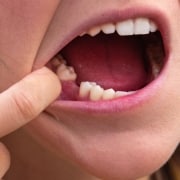
A person uses their finger to point at a missing tooth in their lower gum, with their mouth open wide.

Do I Really Need My Wisdom Teeth Removed? Understanding the Latest Guidelines

The fact is that not everyone needs their wisdom teeth removed. How do you know if you fall into that category or not? The answer is to see your dentist. At Indiana Emergency Dental, we offer 3D panoramic wisdom teeth technology in Indianapolis, IN, to provide insights that answer this question. This specialized X-ray lets our dentist see if you need your wisdom teeth extracted.

When is Removal Necessary?

Generally speaking, wisdom teeth removal is necessary if the molars are causing or will likely cause problems. Some specific indications that the wisdom teeth need to come out include:

  • Impaction—Impacted wisdom teeth can not fully emerge because there isn’t enough space left in the mouth. Left in place, impacted wisdom teeth can cause infection, cysts, or even tumors to develop.
  • Infection—Because the wisdom teeth sit far back in the mouth, they are hard to clean if they break through the gum. That may leave you open to infection and periodontal disease.
  • Damage to the other teeth—Wisdom teeth may try to push their way in when there isn’t enough room, damaging the surrounding teeth or causing alignment problems.

At one point, it was common just to remove the wisdom teeth because it was difficult to tell if they would become problematic in the future. Today, technology like 3D panoramic imaging gives dentists a peek into how the wisdom teeth may perform over time.

How Do Dentists Determine Wisdom Teeth Can Stay in Place?

By examining the molars’ development physically and through imaging, dentists can determine if they are erupting normally, in the best position, and have enough room. If the wisdom teeth are fully erupted and healthy, they may decide not to remove them.

If you have questions about your wisdom teeth, call our office today and make an appointment with a dentist in Indianapolis, IN, for evaluation.

Young woman with long brown hair touches her cheek and head with a pained expression, possibly experiencing discomfort or a headache, against a plain background.

Do Impacted Wisdom Teeth Always Hurt?

Impacted wisdom teeth can be an extremely painful condition, alerting you that a problem requires addressing. However, if you’re wondering whether an impaction will always make itself known, we’ll look at what you should know about your wisdom teeth in Indianapolis, IN. 

Do Impacted Wisdom Teeth Always Hurt?

The short answer is no, wisdom teeth impactions will not always cause pain. Plenty of people have impacted wisdom teeth without any discomfort. It’s worth noting that problems with wisdom teeth can also cause other issues unrelated to pain, such as difficulty opening your mouth or a bad taste/breath. 

Do Impacted Wisdom Teeth Always Need to Be Removed?

No. If there’s no pain, swelling, infection, or other obvious signs of distress to the patient’s oral health, there’s no need to remove your wisdom teeth. A dentist in Indianapolis, IN will typically monitor a patient with no other symptoms to ensure that there’s no need to take out their wisdom teeth. So, if the impaction was starting to cause shifting for the nearby teeth, they might recommend removal to take the pressure off the surrounding teeth. 

Wisdom Teeth Removal in Indianapolis

If you need your impacted wisdom teeth removed, the process starts with going under the gum line to take out the impacted teeth. Once they’re out, the dentist will suture the gum tissue. If you’re looking for an expert team to handle your wisdom teeth or if you’ve been experiencing pain near your back molars, contact the team at Indiana Emergency Dental. Whether your teeth need attention now or several years from now, we can help you find the right treatment path for you.

Woman with curly hair holding her cheek and appearing to be in pain, suggesting discomfort or toothache, against a plain white background.

Should My Wisdom Tooth Be Removed?

Wisdom teeth are the last teeth to erupt from the gums. Most people get wisdom teeth by the time they’re in their late teens or early twenties. Unfortunately, by the time this happens, most people don’t have enough space for wisdom teeth to fit. When this happens, your teeth can become crowded and crooked.

If this is a problem you’re having, get help from your dentist in Indianapolis, IN. At Indiana Emergency Dental, we can help you determine if you need wisdom teeth removal. Our tooth extraction services are efficient and effective.

Why Do Wisdom Teeth Need Removal?

Usually, wisdom teeth need to be removed when there isn’t enough space for them. This can cause other teeth to shift and become crooked, or it may lead your wisdom teeth to come in part way. When wisdom teeth are stuck below the surface, this can cause pain and other problems.

How Can I Tell If My Wisdom Teeth Need to Be Removed?

There may be many signs that your wisdom teeth need to be removed. Some signs to watch for include:

  • Infection of the soft tissue behind your last tooth
  • Pain like aching in the back of the mouth or headaches
  • Cavities in the rear molars because they’re too crowded to clean properly
  • Swollen gums and oral inflammation

If I Think My Wisdom Teeth Need Removed, What Should I Do?

If you think your wisdom teeth need to be removed, talk to your dentist at Indiana Emergency Dental. We’re here to help. Contact us for an examination so we can schedule your wisdom teeth removal in Indianapolis, IN, today.

A woman in a red dress touches her cheek with a pained expression, standing against a pink background.

What is a Horizontal Impaction?

Have you been told that you need to have your wisdom teeth removed due to one or more horizontal impactions in Indianapolis, IN? If this is the first time you’ve heard of this occurring, it can sound quite scary. But your dentist at Indiana Emergency Dental is very experienced with horizontal impactions. Here’s what you need to know:

What is a Horizontal Impaction?

A “regular” impacted tooth is one that fails to erupt above the gum line, even though it’s in the vertical position. It most often happens with wisdom teeth, although it can happen with any tooth. A horizontal impaction is when the tooth is not positioned correctly in the first place; it’s in a horizontal or diagonal position, and not “pointing” upward as it should. Teeth in this horizontal position will not erupt above the gum line, so they are impacted. The most important thing to know about a horizontal impaction is that it’s a kind of emergency. The reason is that if it’s not promptly addressed, other dental problems will occur. This is why such a tooth must be extracted or remedied in another manner.

Causes of Horizontal Impactions

The most common reason why horizontal impactions occur is a lack of space in the jaw. Heredity is part of the puzzle, but there could be other developmental issues at play that factor into why a person may develop a horizontal impaction. Remember, different people have different jaw sizes, too. So, even if heredity is not a factor in an individual case, the size of their jaw may have contributed to the horizontal impaction.

Your emergency dentist in Indianapolis, IN will regularly check your teeth for any potential problems, including horizontal impactions. Please contact us today to book your next dentist appointment or to learn more.